
 ES
ES  RU
RU  TR
TR  FA
FA  AR
AR  ZH
ZH Blog
Blog description

How to Remove an INTERPOL Red Notice: Legal Strategy, CCF Procedure, Common Mistakes, and FAQ
For many individuals, the first sign of an INTERPOL issue is not a formal notification. It may appear as an airport detention, denied visa application, frozen bank account, enhanced compliance review, reputational inquiry, or unexpected questioning by authorities. By that point, the matter can already be urgent.
An INTERPOL Red Notice can create serious legal and practical consequences. Although it is not an international arrest warrant and does not establish guilt, it can trigger border scrutiny, extradition exposure, financial compliance concerns, and reputational damage.
The good news is that some Red Notices can be challenged, corrected, or removed. Successful cases typically depend on disciplined legal strategy, persuasive evidence, and proper use of the Commission for the Control of INTERPOL's Files process.
What Is an INTERPOL Red Notice?
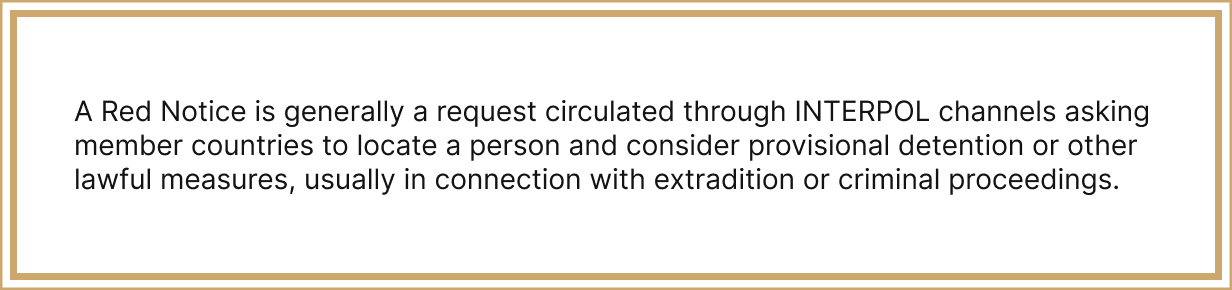
However, a Red Notice is often misunderstood.
A Red Notice Is Not:
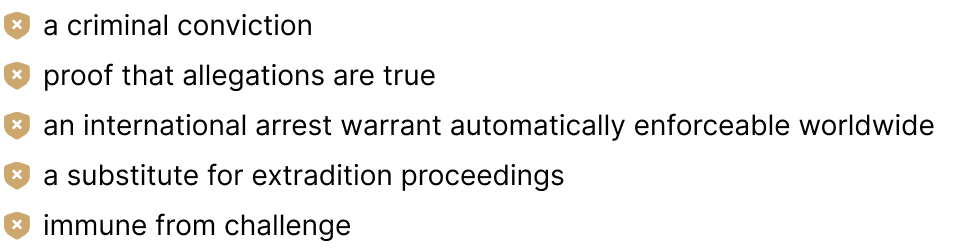
Each member country determines what domestic legal effect, if any, it gives to a Red Notice.
Why Red Notices Matter in Practice
Even without arrest, Red Notices may create collateral consequences such as:
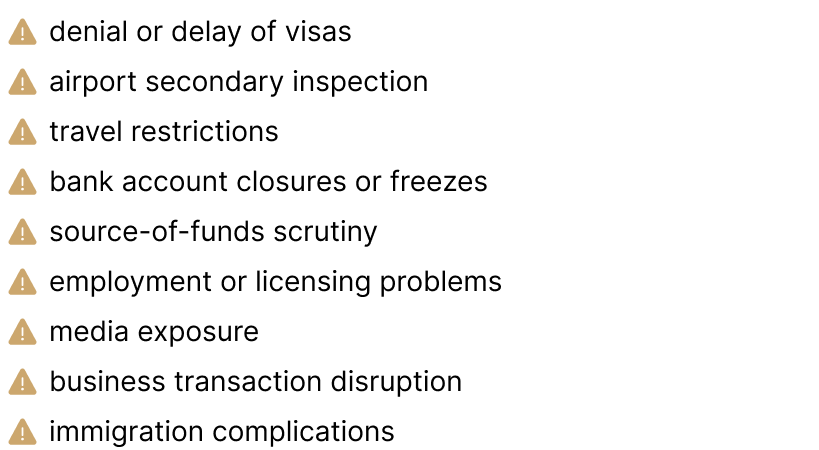
For executives, investors, politically exposed persons, and globally mobile families, these consequences can be severe.
Can an INTERPOL Red Notice Be Removed?
Yes. Depending on the facts, a Red Notice may be deleted, corrected, blocked, or restricted.
Many successful challenges involve demonstrating that the notice violates applicable INTERPOL rules, fairness principles, or evidentiary standards.
Common Grounds for Removal
1. Political Motivation
INTERPOL generally prohibits using its systems for matters of a predominantly political character. This can arise where criminal allegations are used to target dissidents, opposition figures, journalists, activists, or individuals in political conflict with state-connected actors.
2. Commercial or Private Disputes Reframed as Crime
Sometimes failed business ventures, shareholder disputes, debt disputes, or partnership conflicts are repackaged as fraud or embezzlement claims.
3. Lack of Due Process
Examples may include:
- convictions in absentia without meaningful notice
- inability to access counsel
- fabricated evidence concerns
- coercive procedures
- systemic judicial unfairness
4. Mistaken Identity
Wrong names, transliteration errors, duplicate identities, or inaccurate identifying information can create serious problems.
5. Stale or Withdrawn Cases
Old matters, expired warrants, withdrawn charges, or legally dormant cases may support challenge arguments.
6. Human Rights Concerns
Risk of torture, persecution, discriminatory prosecution, or severe due process defects may be highly relevant.
7. Disproportionality
Some matters may involve allegations too minor or inappropriate for international police circulation.
The Main Procedure - CCF
The primary review body is the Commission for the Control of INTERPOL's Files.
The CCF reviews certain requests relating to INTERPOL-held data, including Red Notice challenges.
Typical Objectives of a Filing
- deletion of data
- correction of inaccuracies
- confirmation of data status where available
- restriction of dissemination
- legal review of compliance with INTERPOL rules
What Strong Submissions Usually Include
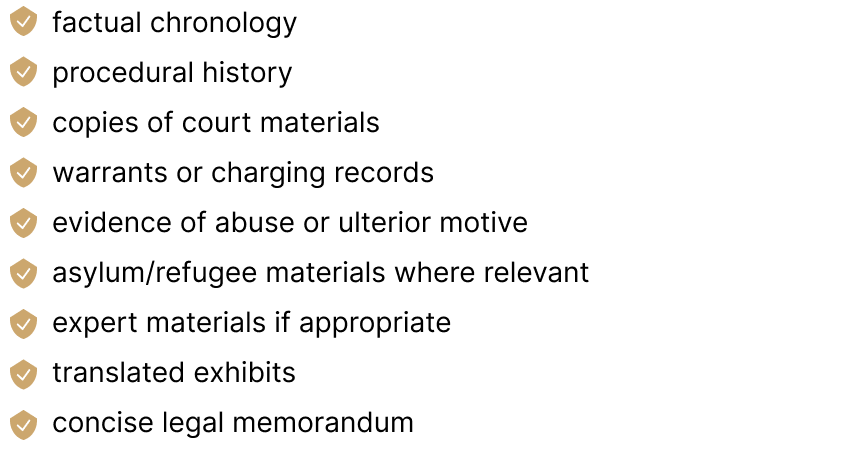
Legal Strategy: How Strong Cases Are Built
1. Diagnose Before Filing
Many people rush to submit complaints immediately. That can be costly.
A strong pre-filing review should examine:
- who initiated the case
- why it began
- whether civil disputes preceded criminal allegations
- procedural irregularities
- current warrant status
- extradition treaties and risk
- political context
- media or reputational risks
- immigration overlap
2. Build a Credible Narrative
The strongest petitions are usually coherent, evidence-based, and restrained. Overstatement often hurts credibility.
3. Coordinate Across Jurisdictions
Statements made in:
- asylum applications
- visa matters
- extradition proceedings
- civil litigation
- media interviews
- CCF submissions
should not conflict.
4. Think Beyond Removal
Sometimes the immediate priority is not deletion alone, but crisis management involving:
- travel planning
- banking issues
- border risk
- arrest exposure
- family relocation
- reputation management
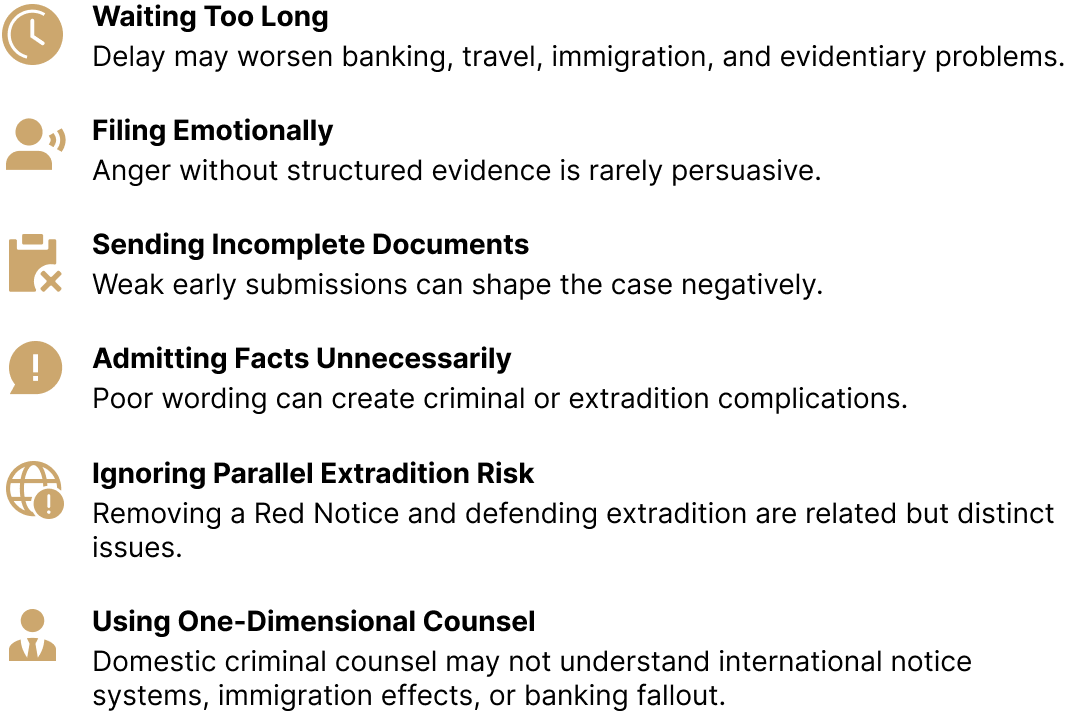
Common Mistakes That Hurt Cases
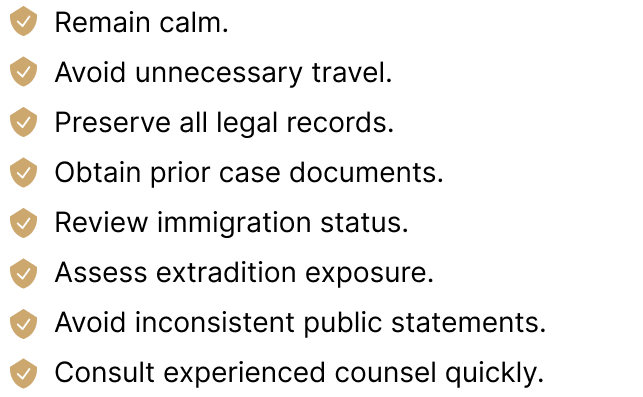
What to Do Immediately If You Discover a Red Notice Issue
FAQ
Q1. Is a Red Notice the same as an arrest warrant?
No. A Red Notice is generally an international request for cooperation. Local authorities decide whether domestic law permits action.
Q2. Can I be arrested because of a Red Notice?
Possibly, depending on the country, local law, treaties, and the facts of the case.
Q3. Does a Red Notice mean I am guilty?
No. It is not a conviction and does not determine guilt.
Q4. Can I travel with a Red Notice?
Travel may carry significant risk. Some countries may detain, question, deny entry, or notify authorities.
Q5. Can a bank close my account because of it?
Potentially yes. Financial institutions often apply risk-based compliance standards.
Q6. How long does removal take?
Timing varies significantly depending on complexity, evidence, procedural posture, and review workload.
Q7. Can politically motivated cases be challenged?
Yes. Political misuse is one of the most serious grounds often raised.
Q8. If charges are false, is removal automatic?
No. False allegations still require structured legal proof and procedural advocacy.
Q9. Can asylum or refugee status help?
In some cases, yes, especially where persecution issues are relevant.
Q10. Should I contact the requesting country directly?
Often risky without counsel. It may create admissions or strategic disadvantages.
Q11. Can family members be affected?
Indirectly yes—travel, immigration planning, finances, and reputation may be impacted.
Q12. Do I need lawyers in more than one country?
Sometimes yes. Complex matters may require coordinated local, extradition, immigration, and INTERPOL counsel.
Conclusion
Removing an INTERPOL Red Notice is rarely achieved through a short complaint or emotional denial. Strong results usually depend on evidence architecture, procedural discipline, and strategic advocacy before the Commission for the Control of INTERPOL's Files.
For internationally active clients, early intervention can be decisive. Once detention, banking disruption, or immigration fallout begins, options may narrow and costs often increase.